Wet basement or foundation crack? Get connected with a local North Shore basement pro.
Water after storms, cracks in the foundation, a sump pump that cannot keep up, or a damp crawl space. Tell us what is going on, and we will connect you with an independent local professional who serves your town. It is free to request, and you are under no obligation.
What we can help with
Basement Waterproofing
Wet basement? Get connected with independent local basement waterproofing pros in Wakefield, Reading, Melrose, Lynn, Peabody and the North Shore.
Foundation Crack Repair
Cracked or leaking foundation? Get connected with independent local foundation repair pros in Reading, Wakefield, Stoneham, Woburn, Wilmington and the North Shore.
Crawl Space Encapsulation
Damp crawl space? Get connected with independent local pros for crawl space encapsulation and moisture control in Lynn, Peabody, Saugus, Malden, Melrose and the North Shore.
Sump Pump Installation
Need a new sump pump or backup? Get connected with independent local pros for sump pump installation in Wakefield, Lynnfield, North Reading, Wilmington, Saugus and the North Shore.
French Drains
Water pooling by the foundation or in the yard? Get connected with independent local drainage pros for French drains in Reading, Lynnfield, Peabody, Saugus, Woburn and the North Shore.
Why basement water matters
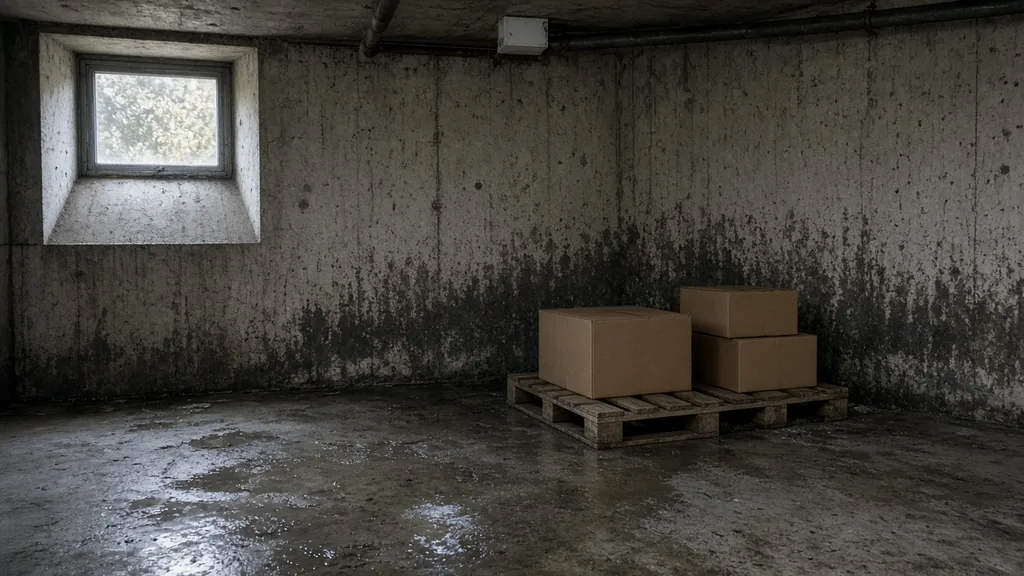
A little dampness can seem harmless, but water that keeps getting into a basement tends to cause bigger problems over time.
Water damages what it touches
Standing water and wet materials damage drywall, flooring, framing, and stored belongings, and they become a breeding ground for mold and bacteria. The EPA advises drying water-damaged areas and items within 24 to 48 hours.(EPA: A Brief Guide to Mold, Moisture and Your Home)
Damp basements grow mold
Mold needs moisture to grow, so a basement that stays damp is a common place to find it. Cleaning mold without fixing the water source usually means it comes back.(EPA: A Brief Guide to Mold, Moisture and Your Home)
The foundation needs water managed outside
Building scientists recommend keeping water away from foundation walls with grading, gutters, perimeter drainage, and damp-proofing, so water is not pushing through cracks and joints. Warm, humid air on cold concrete can also cause condensation.(Building Science Corporation: BSD-103 Understanding Basements)
Insurance may not cover it
FEMA notes that most homeowners insurance does not cover flood damage, and flood insurance coverage for basements is limited, especially for finished space and personal belongings.(FEMA: Homeowners Insurance and Flooding, FEMA NFIP: Basement Flooding, What’s Covered)
Why basements get wet north of Boston
The housing is old. In Melrose, Lynn, and Malden, roughly 45% to 52% of homes were built before 1940, according to U.S. Census Bureau American Community Survey estimates. Foundations of that era were often fieldstone, brick, or early concrete, built before modern drainage and damp-proofing practices.
The ground is wet, too. Several of the towns we cover sit on rivers, marshes, and wetlands, including the Saugus River, the North River in Peabody, and the Ipswich River along the northern towns. Each town page links to the local sources.
Where the water goes matters. Wakefield's public works department, for example, asks residents not to send sump pump water into the sanitary sewer, because extra flow can back sewage up into homes. On septic, MassDEP advises keeping sump pumps and footing drains away from the system. Structural foundation work generally needs a building permit (see the state's contractor guidance and 780 CMR R105.2).
Getting help is simple
- Call or fill out the form. Tell us your town and what is going on.
- A local pro contacts you. They talk through the job with you and set up a visit if needed.
- Get a quote and decide. Requesting a quote is free, and you are never obligated to hire.
Towns we cover
Wakefield, MA
Median home built ~1956 · 57% pre-1960
Reading, MA
Median home built ~1960 · 51% pre-1960
Melrose, MA
Median home built ~1938 · 70% pre-1960
Stoneham, MA
Median home built ~1964 · 46% pre-1960
Lynnfield, MA
Median home built ~1964 · 43% pre-1960
Saugus, MA
Median home built ~1962 · 47% pre-1960
Woburn, MA
Median home built ~1968 · 41% pre-1960
Malden, MA
Median home built ~1950 · 56% pre-1960
Lynn, MA
Median home built ~1946 · 63% pre-1960
Peabody, MA
Median home built ~1966 · 40% pre-1960
North Reading, MA
Median home built ~1975 · 28% pre-1960
Wilmington, MA
Median home built ~1979 · 29% pre-1960
Housing figures: U.S. Census Bureau, ACS 2020–2024 5-year estimates.
Frequently asked questions
Is North Shore Basement Pros a waterproofing company?
No. We are a free service that connects homeowners with independent local professionals, who are responsible for their own work, pricing, licensing, registration, and insurance.
Does it cost anything to use this site?
No. Sending a request is free for homeowners, and you are never obligated to hire anyone. We may be paid by the professionals we connect you with.
What towns do you cover?
Wakefield, Reading, Melrose, Stoneham, Lynnfield, Saugus, Woburn, Malden, Lynn, Peabody, North Reading, and Wilmington, Massachusetts.
How do I check a contractor before hiring?
In Massachusetts, contractors working on an existing owner-occupied 1 to 4 unit home must be registered as Home Improvement Contractors, and masonry or structural work also requires a Construction Supervisor License and a building permit. Ask for those numbers, proof of insurance, a written contract, and references.
How fast does a wet basement need to be dried out?
The EPA recommends drying water-damaged areas and items within 24 to 48 hours to help prevent mold growth. Porous items such as carpet and ceiling tiles may need to be thrown away if they become moldy.
Does homeowners insurance cover a flooded basement?
Often not. FEMA says most homeowners insurance does not cover flood damage. Flood insurance through the NFIP covers some basement items, such as furnaces, water heaters, and sump pumps, but not finished walls, flooring, or most personal belongings. Check your own policy for details.
Can a damp basement cause mold?
Yes. Mold grows where there is moisture, and the EPA says the key to mold control is moisture control. Fixing the water source matters as much as cleaning up any mold.